Explore Our Technology
The Ozius Biome® Analytics Engine transforms complex environmental data into scalable, defensible insights that support better decisions across landscapes, infrastructure and ecosystems.
The Biome Analytics Engine
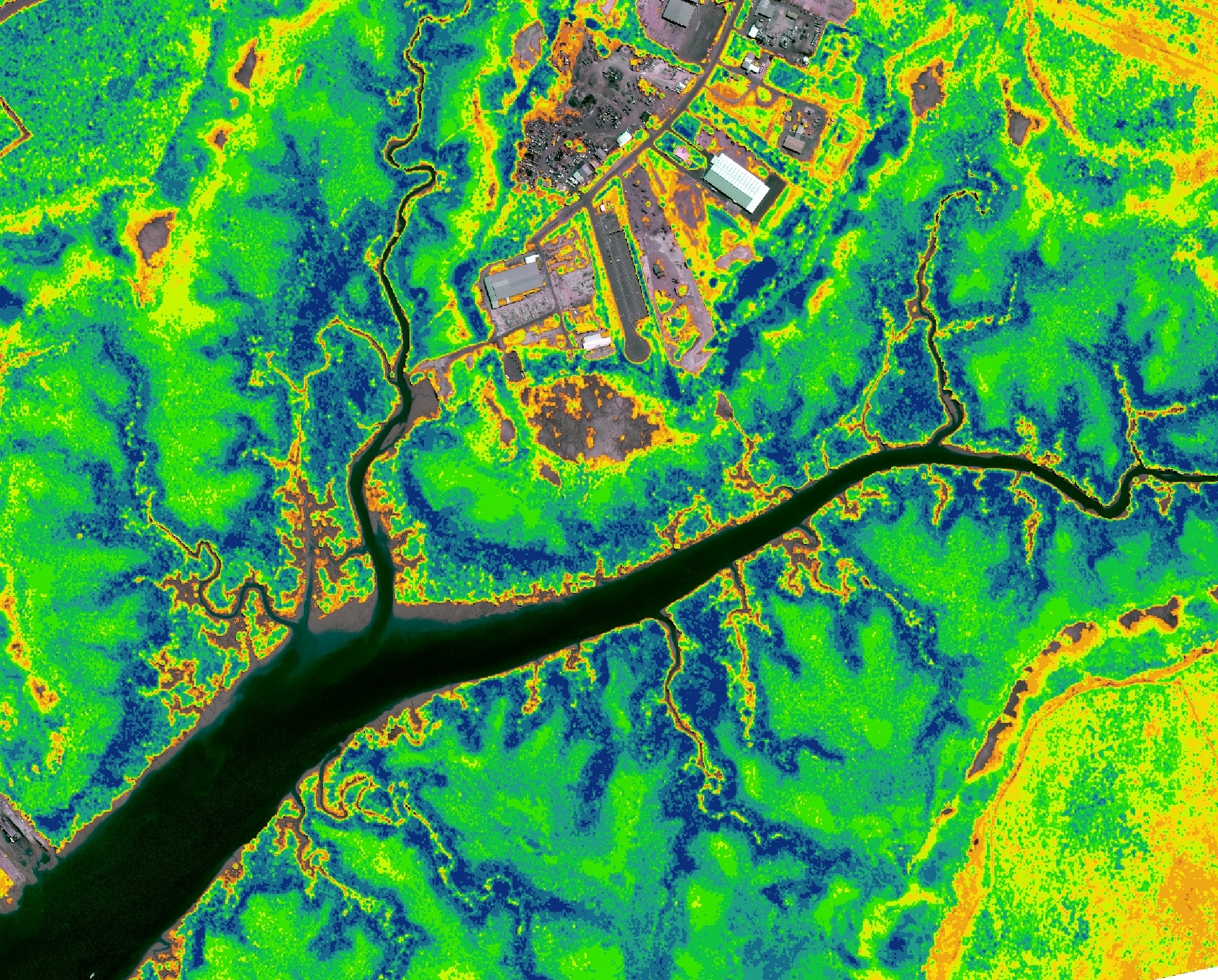
Ozius Biome® is a powerful AI enabled analytics engine designed to interpret the natural environment at scale.
Biome ingests a wide range of spatial datasets and applies advanced environmental analytics to produce some of the world’s most advanced four dimensional environmental intelligence.
From individual sites to continental landscapes, Biome enables organisations to monitor, analyse and act on environmental change with unprecedented clarity.
Scalable Environmental Intelligence
Biome is built to operate across multiple spatial scales and timeframes.
Whether analysing a single project site, an entire catchment or a national landscape, the platform processes vast volumes of Earth observation data to generate consistent environmental intelligence across every scale.
This scalability allows organisations to move from isolated studies to continuous landscape monitoring.
Transparent and Defensible Insights
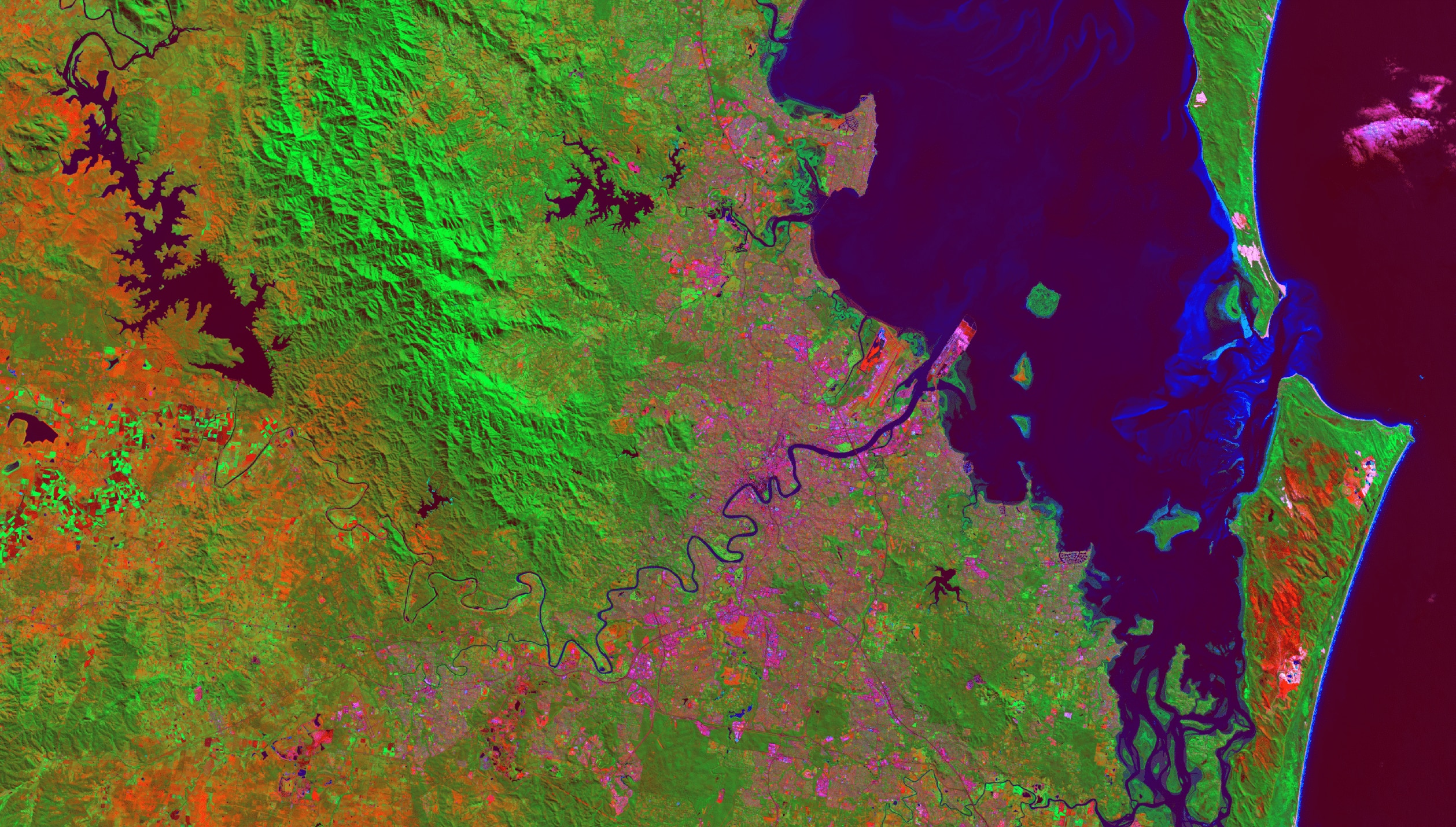
Every output produced through Biome is backed by traceable data, robust scientific methodology and reproducible analytics.
This transparency ensures that insights generated by Ozius can support regulatory reporting, environmental approvals and high value operational decisions with confidence.
Tailored Environmental Intelligence
Ozius works directly with customers to tailor Biome outputs to their specific operational challenges.
From biodiversity intelligence and vegetation structure mapping to environmental monitoring dashboards, the platform is designed to integrate with existing workflows and data systems.
The result is environmental intelligence that is both actionable and fit for purpose.
Multi Sensor Data Integration
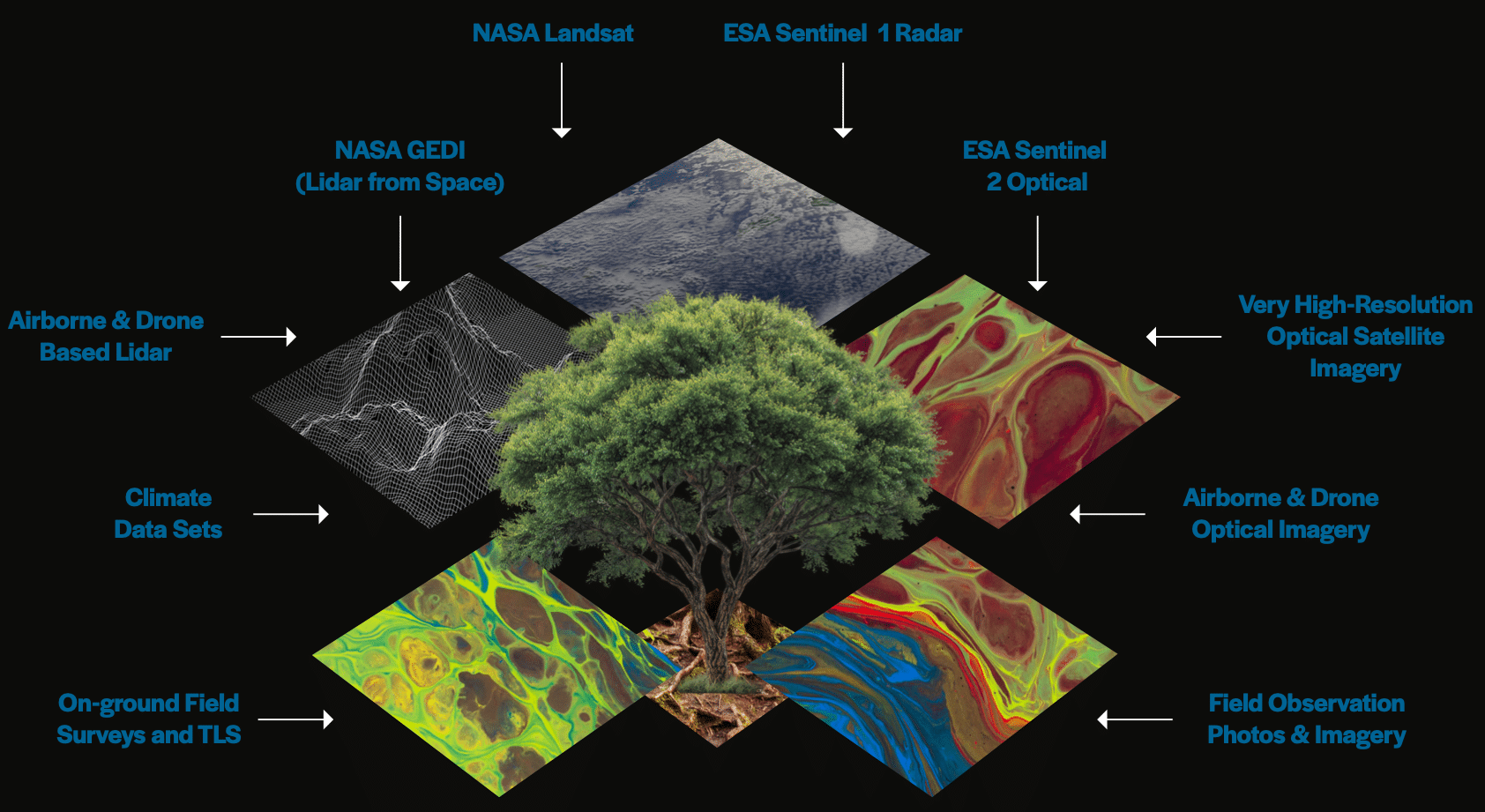
Biome integrates a wide range of spatial and environmental datasets to build a comprehensive picture of the natural environment.
These inputs include satellite imagery, airborne sensors, climate data and on ground observations to create a detailed multidimensional view of ecosystems through time.
Key inputs include:


Tailored Local to National
Scale 4D Vegetation
Structure Intelligence Solutions

Tailored Biodiversity &
Habitat
Intelligence Solution